
Your Guide to Exploring the Channel Islands National Park
Visiting the Channel Islands National Park isn’t about convenience. It’s about access to something increasingly rare. The islands are a place without heavy development, where nature sets the pace and you adapt to it (not the other way around).
If you come prepared, stay flexible, and embrace the unpredictability, you’ll find an experience that feels far removed from the rest of coastal California. And that’s exactly what makes it worth the effort.
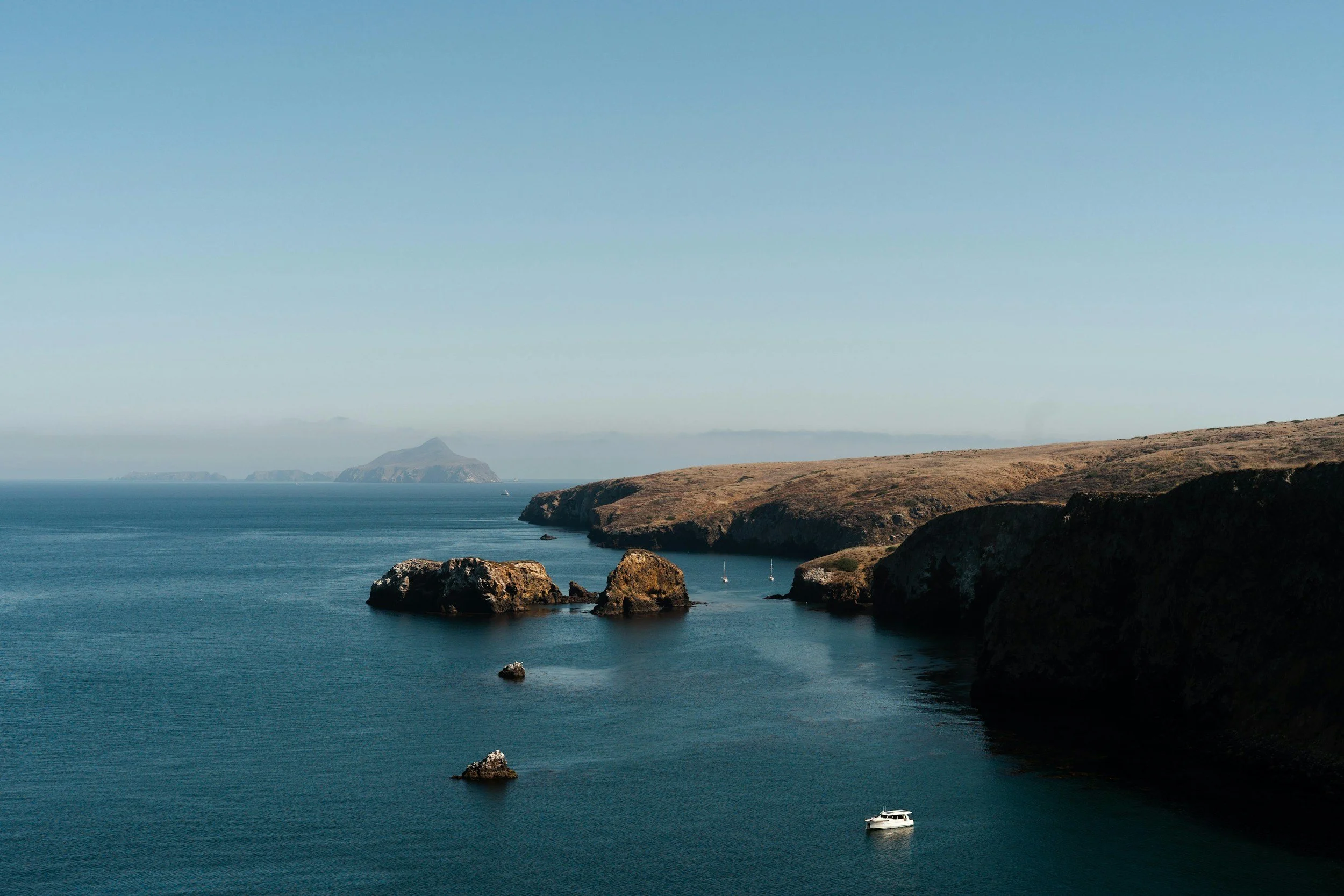
A National Park Without Roads, Hotels, or Shops
One of the first things to understand is that the Channel Islands are not a typical national park. There are:
No hotels or resorts
No restaurants or stores
No cars, rideshares, or public transit
Once you arrive, you’re stepping into a largely self-sufficient environment. Everything you need comes with you, such as food, water, and gear.
That lack of infrastructure is exactly what preserves the islands’ character. It also means preparation matters more than usual.
Each Island Offers a Different Experience
Not all islands are interchangeable. Choosing where to go will shape your trip.
Anacapa Island - Best for first-time visitors. It’s small, dramatic, and easy to explore in a day. Expect steep cliffs, nesting seabirds, and iconic coastal views.
Santa Cruz Island - The largest and most versatile. You’ll find hiking trails, sea caves, kayaking opportunities, and wildlife like the island fox. This is the most popular destination.
Santa Rosa Island - Known for wide beaches and rolling hills, it feels more open and remote. Great for longer hikes and quieter experiences.
San Miguel Island - The most rugged and least visited. Strong winds and difficult landings mean access is limited, but it’s home to massive seal and sea lion colonies.
Each island has its own terrain, weather patterns, and accessibility considerations. Be sure to do the research you need to make the right decision for your trip and allow for time on any necessary permits.
Expect Raw, Unpredictable Nature
The islands sit in the middle of the Pacific, and conditions can change quickly.
Mornings may start foggy and cool
Midday can be sunny and warm
Wind often picks up in the afternoon
Ocean conditions vary from calm to choppy
Wildlife is abundant but not staged. You might see dolphins, whales, seabirds, and marine life—or you might not. Timing, season, and luck all play a role.
This unpredictability is part of the experience.
Activities: Simple, Active, and Nature-Focused
Most activities on the islands revolve around the environment itself.
Hiking - Trails range from short scenic walks to longer backcountry routes.
Kayaking & Sea Caves - Particularly popular around Santa Cruz Island, where sea caves are among the largest in the world.
Snorkeling & Diving - The surrounding waters are part of the Channel Islands National Marine Sanctuary, known for kelp forests and marine biodiversity.
Wildlife Watching - From island foxes to elephant seals, the opportunities are unique but require patience.
There’s no entertainment in the traditional sense, the landscape is the experience.
What to Bring (and Why It Matters)
Preparation can make or break your visit. Essentials include:
Plenty of water (there is no potable water on most islands)
Food for the entire day (or longer if camping)
Layers for changing weather
Sturdy shoes for uneven terrain
Sun protection (hat, sunscreen, sunglasses)
If you’re staying overnight, you’ll also need camping gear and a reservation.
There are no backup options if you forget something.
Timing Your Visit
The islands are open year-round, but each season offers something different:
Spring: Wildflowers and good wildlife activity
Summer: Warmer weather, calmer seas, peak visitation
Fall: Often the best balance—clear skies and fewer crowds
Winter: Whale migration season, but more weather variability
Your experience can vary significantly depending on when you go.
Getting There: Limited but Straightforward Options
There are only a few ways to reach the islands.The most common is via ferry service, with departures from Ventura and only seasonal routes from Santa Barbara.
Travel times vary:
~1 hour to Anacapa Island
1–1.5 hours to Santa Cruz Island
2–3+ hours to the more remote Santa Rosa Island and San Miguel Island
Private yachts and charters are another option, offering more flexibility to make the day your own. This is your best best if you are departing from Santa Barbara off-season.
Whichever route you choose, weather plays a role. Ferry departures can be delayed or canceled due to wind and sea conditions, especially in winter and early spring.
Let M Group yachts chart the course for you and take care of the planning your trip to the Channel Islands. Contact us to get started.
