
Painted Cave: The Sea Cave Cathedral Hiding Off Santa Barbara's Coast
Twenty miles off the coast of Santa Barbara, home to the Channel Islands, there's a hole in the cliffside known as Painted Cave. The largest sea cave in North America is only a boat ride away, hidden in plain sight on the rugged west end of Santa Cruz Island. This unique, must-see experience is the perfect day trip for anyone’s visit to Santa Barbara, California.
Why It's Called "Painted"
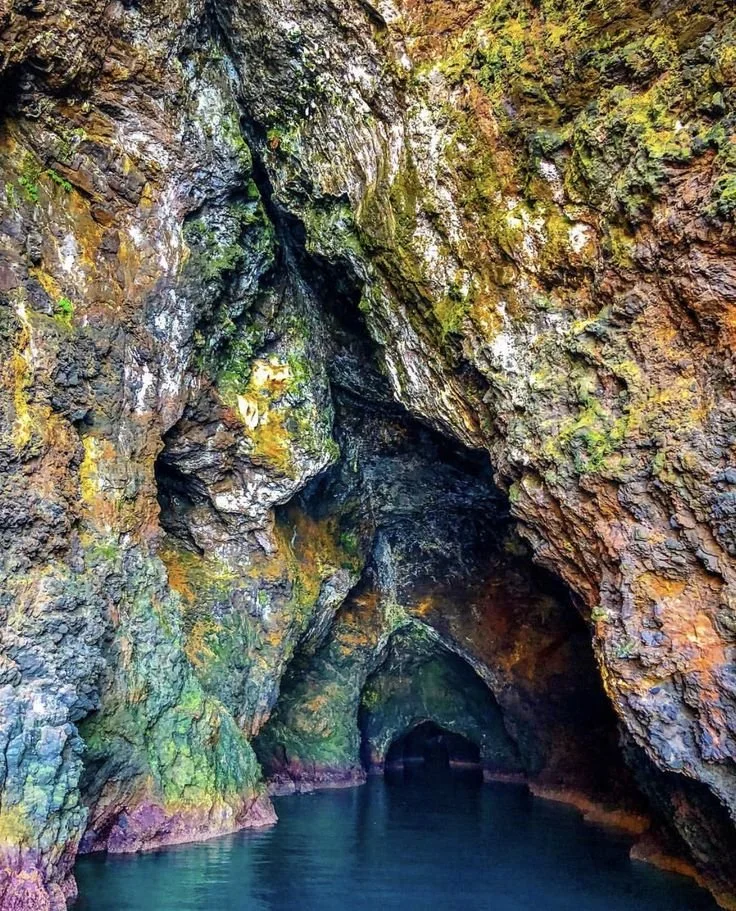
The name has nothing to do with ancient art (no pictographs here). It comes from the colors of the walls themselves: a patchwork of natural stone and green moss fading into blues, purple and even reds and oranges.
Lichen and algae, fed by freshwater seeping through the volcanic rock, are splashed across the stone in streaks of orange, green, and gold. Combined with the shifting light near the entrance and total blackness deeper in, the effect is a stunning natural cathedral.
The Numbers
Painted Cave runs roughly 1,227 to 1,274 feet into the island — the equivalent of three or four football fields — while the entrance alone soars about 130 to 160 feet high. Tall enough that boats can easily motor a good distance inside before the ceiling starts closing in. It sits on the north shore of Santa Cruz Island, the largest island in Channel Islands National Park, a stretch of coastline famous for having the highest density of sea caves anywhere in the world.
Getting There
Painted Cave sits far from any pier or trailhead, and the only way in is by boat. A few options exist depending on how up-close you want the experience to be:
Boat Tours — the main concessionaire for Channel Islands National Park runs excursions that pass by or nose into the cave entrance, conditions permitting. Many trips headed to or from Santa Rosa Island make a stop here on the return leg.
Dedicated Painted Cave charters — some outfitters like M Group Yachts run trips specifically built around getting a good look inside, often departing from Santa Barbara Harbor, while others require passage to Prisoners Harbor on Santa Cruz Island and onto the Painted Caves from there.
Kayak tours — a handful of adventure companies guide kayakers directly into the cave's mouth, letting you paddle in far deeper than a larger boat safely could, though these tours have come and gone over the years depending on the outfitter.
Weather is the true wildcard in all of this. The west end of Santa Cruz Island takes the brunt of the wind and swell, and the cave's entrance is small enough that rough seas can make it unsafe to approach. Trips are often billed as "conditions permitting" for good reason, as plenty of visitors show up hoping to go inside and instead get a view from a bobbing boat outside the mouth.
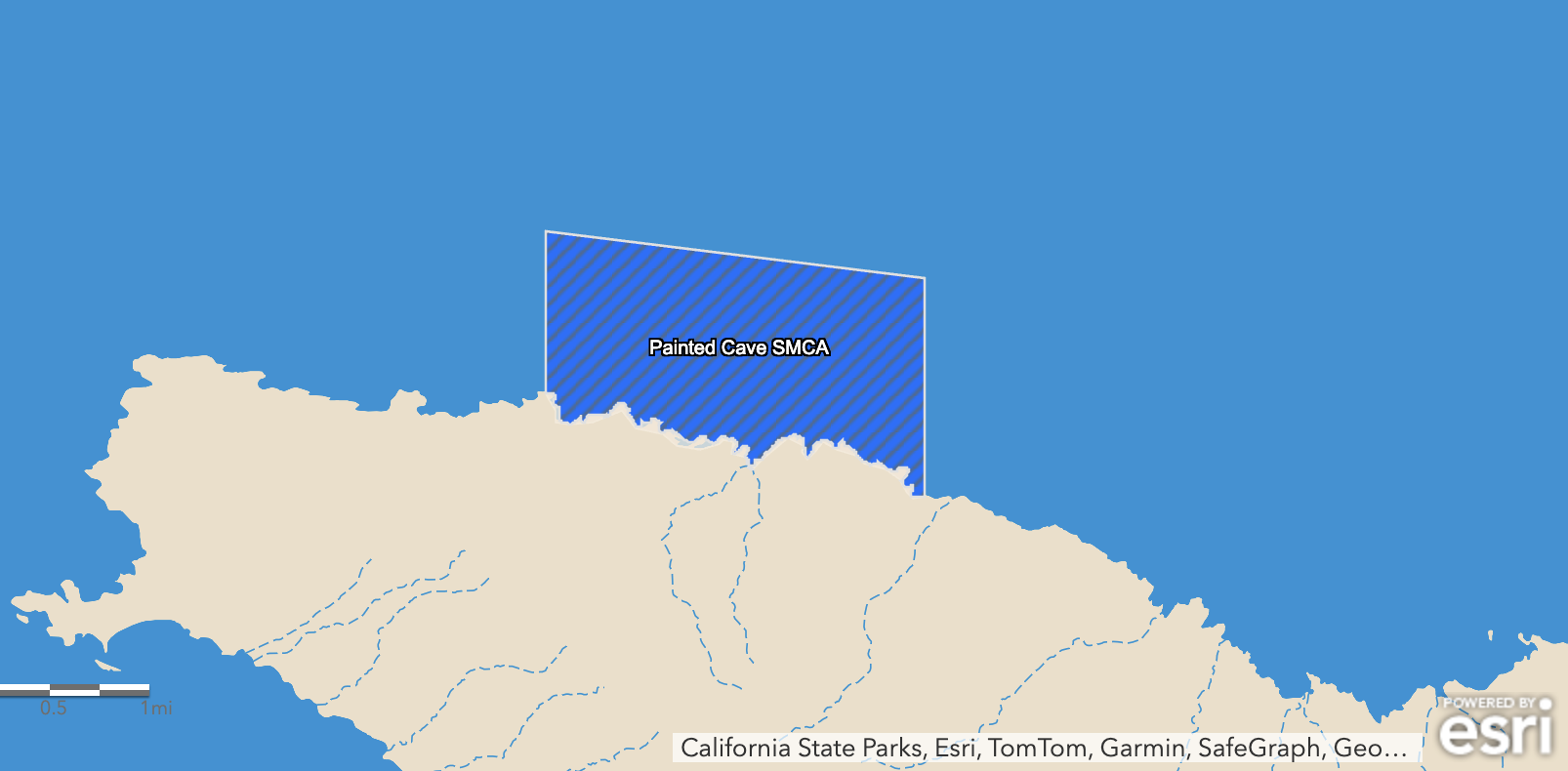
Provided from California State and Wildlife Department
What to Expect Once You're In
If the swell cooperates, the ride inside is genuinely disorienting in the best way. Boats can push a good distance into the tunnel before the darkness and narrowing walls call for a turnaround. Kayaks can slip in even farther, past the point of natural light, into a soundscape of dripping water, sea lion calls, and your own paddle strokes echoing around you.
The Bigger Picture
Painted Cave is just one showpiece in an island built almost entirely out of dramatic coastline. Santa Cruz Island has 77 miles of cliffs, coves, and caves, and the National Park Service manages only the eastern quarter of it (The Nature Conservancy holds the rest). The island's isolation over millions of years has also made it a haven for oddities you won't find anywhere else on the planet, including plant species that exist nowhere but here.
For a place so massive, Painted Cave stays remarkably under the radar. You won’t find any crowds or ticket booths, so be sure to take advantage of the privacy by booking your own charter!
